|
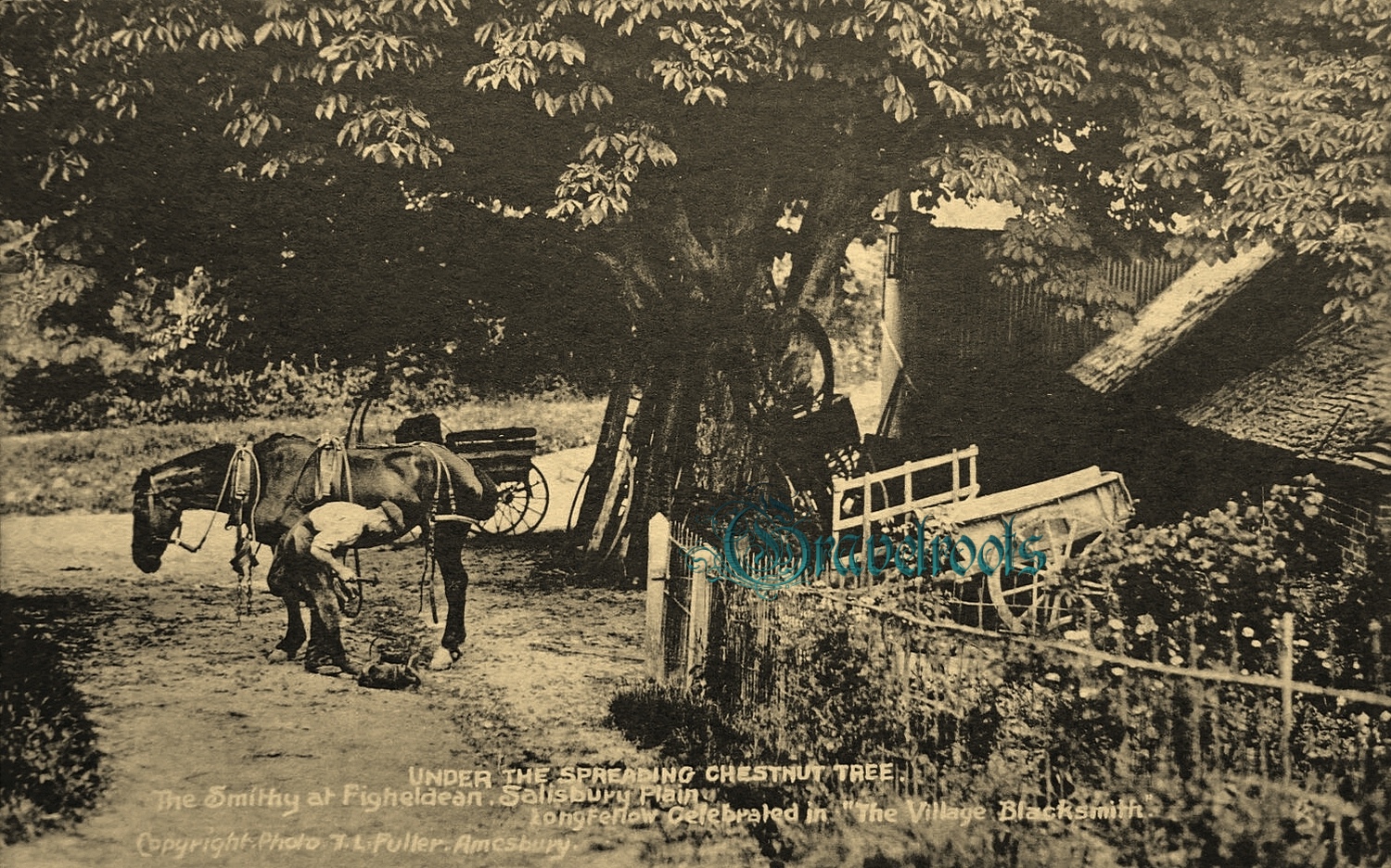
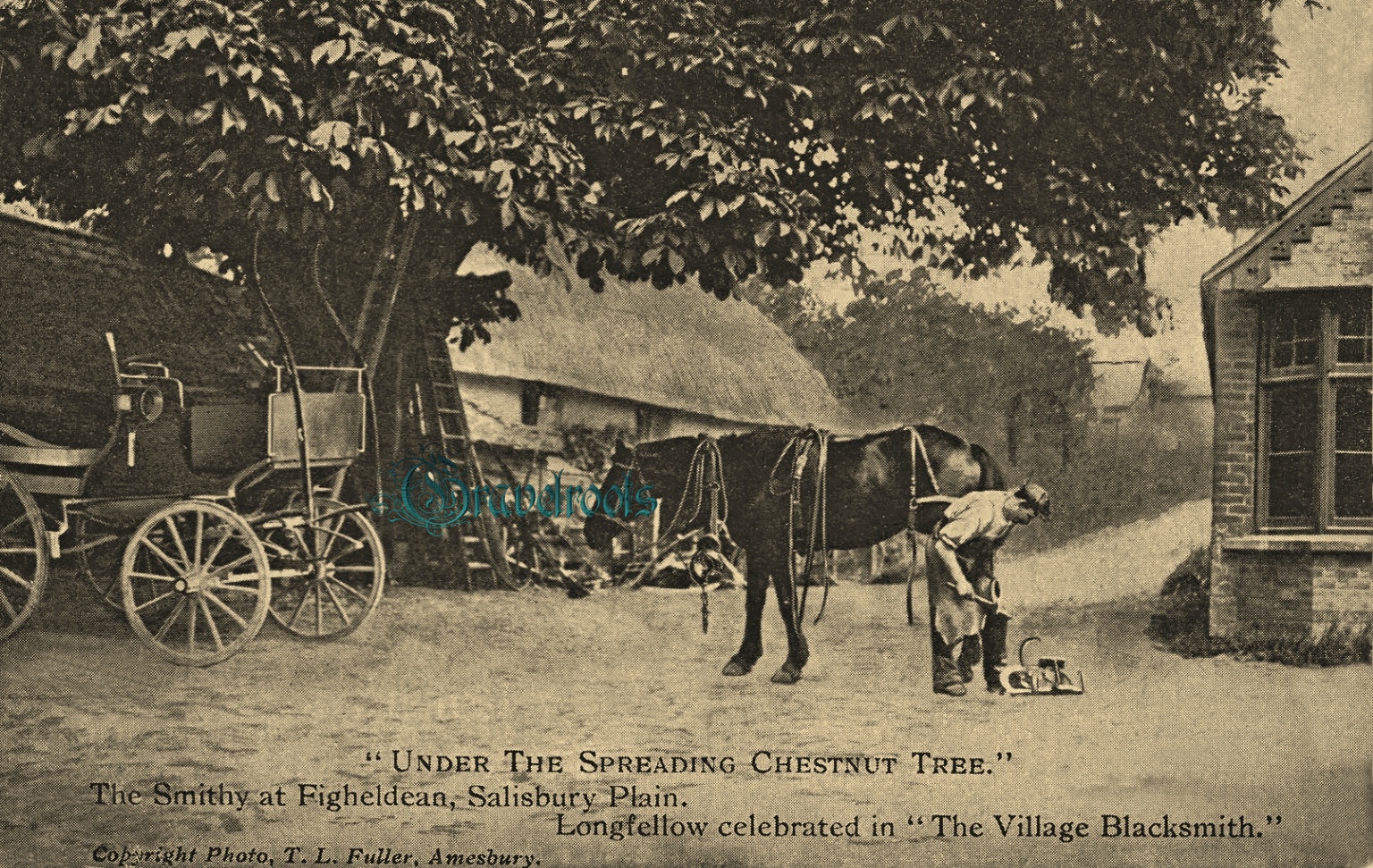
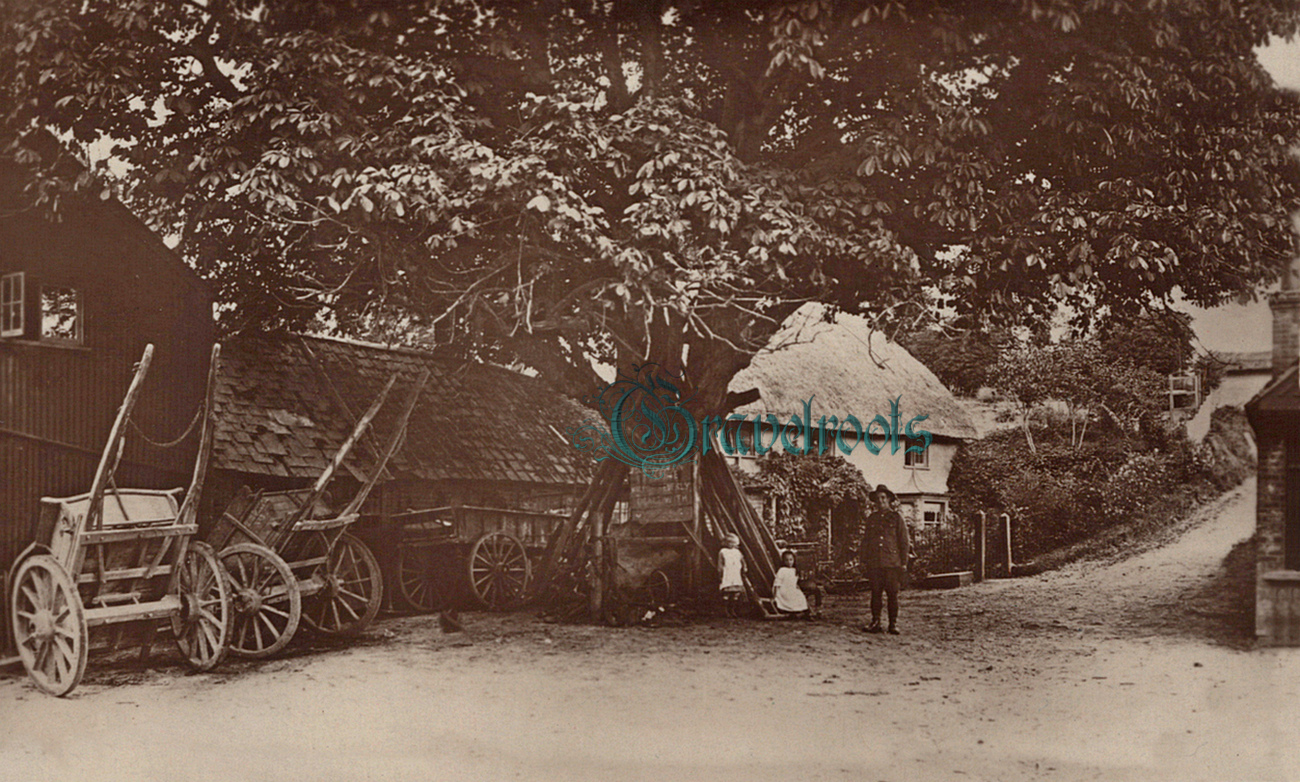
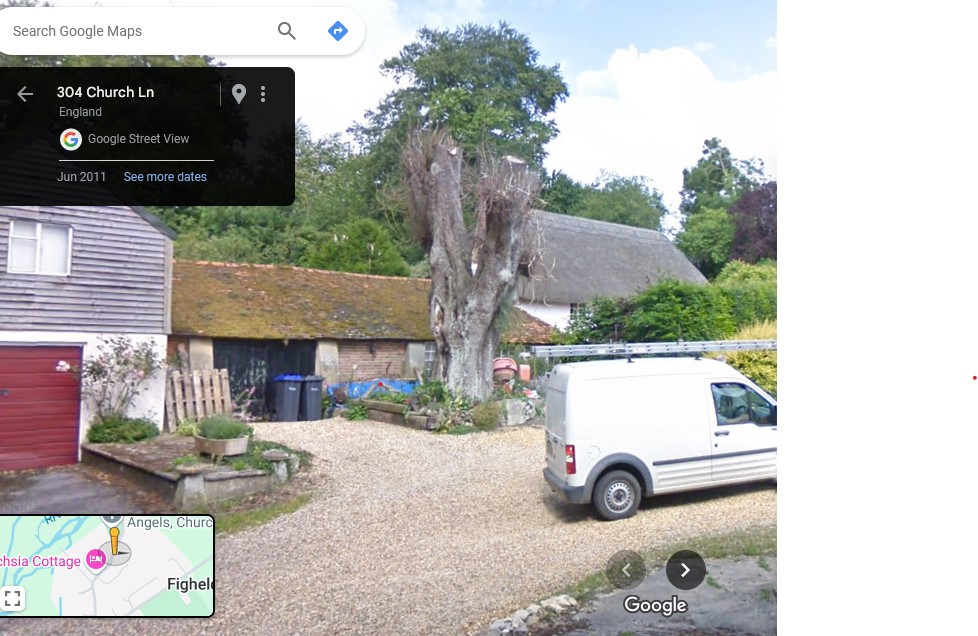
.....There was a blacksmith's by the large chestnut tree in Figheldean in the late 19th century. From the early 20th century, if not before, boys could get a hoop made if they gave the blacksmith sixpence. They would also get a crook made to their specific size. By the early twentieth century there was only one shop in the village which sold groceries, sweets and paraffin oil. There was also a lady who sold sweets from her living room, and a post office. The blacksmith also ran a carrier business between Figheldean and Salisbury. He hired out a wagonette, brougham and landau too.
Most cottagers had a pigsty at the bottom of the garden in the early 20th century. They also had an allotment for potatoes and green vegetables and kept poultry. Allotments usually covered 20 lugs. Porridge from coarse oatmeal was for breakfast, although children often had a bowl of bread and skimmed milk instead. Children also had 'butter broth'; bread broken into a bowl with a small lump of butter, hot water, salt and pepper. A farm worker's dinner in the field consisted of 'bread and cheese or boiled bacon, washed down by cold tea or sometimes ale'.
By the late 19th-early 20th century a horse drawn mail van carried mail between Salisbury and Netheravon, and a postman also conducted his rounds from Netheravon to Amesbury. He blew his whistle and customers came to the roadside to collect their letters. It had been noted by Fowler that the first car seen 'stopped in a cloud of steam by the school to be replenished from Mrs Drewitt's pump'. Not long after this the first bus replaced the horse drawn van. It seated c.16 people and travelled the legal limit of 12 miles per hour. Later an old London omnibus was acquired for carrier runs to Salisbury on Tuesday and Saturday and Devizes on Thursday. Unfortunately it caught fire on Whitesheet Hill and burnt out not long after! The garage it was stored in was converted to a bungalow. A Model T Ford was used as a taxi.
click for more info here
click here to return to previous page
| |